
I’ve been asked a few times whether I could run Battle of the Barristers online, and my answer, at this moment in time, is always no.
I don’t see how the experience could be replicated over screens.

A large part of the work happens as I move between the prosecution and defence as they build their cases. I listen to what people are beginning to deduce and decide when to step in.
For example, someone may make a passing remark that another person picks up, and within a minute the team is looking at a piece of evidence it had already set aside.
If I hear a deduction becoming more certain each time it’s repeated, I can put a proposition to the group that makes them go back and look at what they’re relying on..Knowing when to do that is part of facilitating the exercise (and the part I most enjoy). My natural stance is as devil’s advocate, and I’m good at making people think differently.
Sometimes I hear a team taking a wrong turn and I leave them to explore that rabbit hole because I can see that somebody in the group is about to spot the problem for themselves. Other times, a well-placed question is enough to change the way they interpret a piece of evidence.
Of course, I could put the evidence online and move between breakout rooms, but so much of what tells me when to intervene comes from hearing how the conversation develops.
The trial itself would lose something, too. When you’re on your feet making a case in front of people who have studied the same evidence and are ready to challenge your account of it, you pay attention.
I also think some of the appetite for delivering everything online is wearing off. I can see the attraction of doing things remotely when time and money are tight, but I’m increasingly aware of how often convenience is used to sell us a version of something that’s become less good. It feels like a particularly maddening feature of late-stage capitalism that people are having to think harder about what they can afford, at the same time as being asked to accept less care in what they buy. I think there’s a growing appetite for products and experiences where you can tell somebody has thought about what it will feel like to use it/take part.
The easier AI makes it to produce something that looks finished, the more I notice whether anyone has paid attention to how well it actually works.
One piece of feedback I sometimes get about Battle of the Barristers is that there’s a lot of reading. There is, and I’m not apologising for this.
I don’t know what I’d take away if I tried to make the evidence quicker to get through. These are real cases, taking something away would affect the whole trial and its authenticity. A detail that seems incidental to one team may be the very thing the other team uses to challenge. Part of reading evidence well is discovering that something you skimmed over the first time matters in light of what you’ve read since.
Our attention spans today sees us skim read most things already (kudos to you if you’re still reading this very article!), and AI is making this surface-level acceptance much worse.
But imagine that it’s your case being heard in court, and a witness has said something that appears to put you in a place you know you weren’t. You’d want to be damn sure your lawyer had read the whole statement and understood exactly what the witness claimed to have seen. The distinction between recognising someone and seeing someone they thought they recognised might be the most important thing in that document to you. You’d want your lawyer to catch it, even if the summary had passed right over it.
Further strengthening my belief that reading and comprehension skills are receding, I’ve read accounts from teachers who describe pupils getting stuck when asked to put a sentence together independently about the very thing they’ve just been discussing in class. I find that unsettling because it’s such an ordinary example of problem-solving. The pupil has to decide what they mean and work out how to express it in their own words.
My view is that parts of education have become too much like painting by numbers in the effort to get every child over the line in a test. I understand why teachers give pupils a structure to work with. What worries me is how easily following that structure can look like understanding, right up to the point when the pupil has to decide for themselves what goes in the next sentence. If they rarely get the chance to sit with that uncertainty, I can see why they might baulk when a task leaves them there.
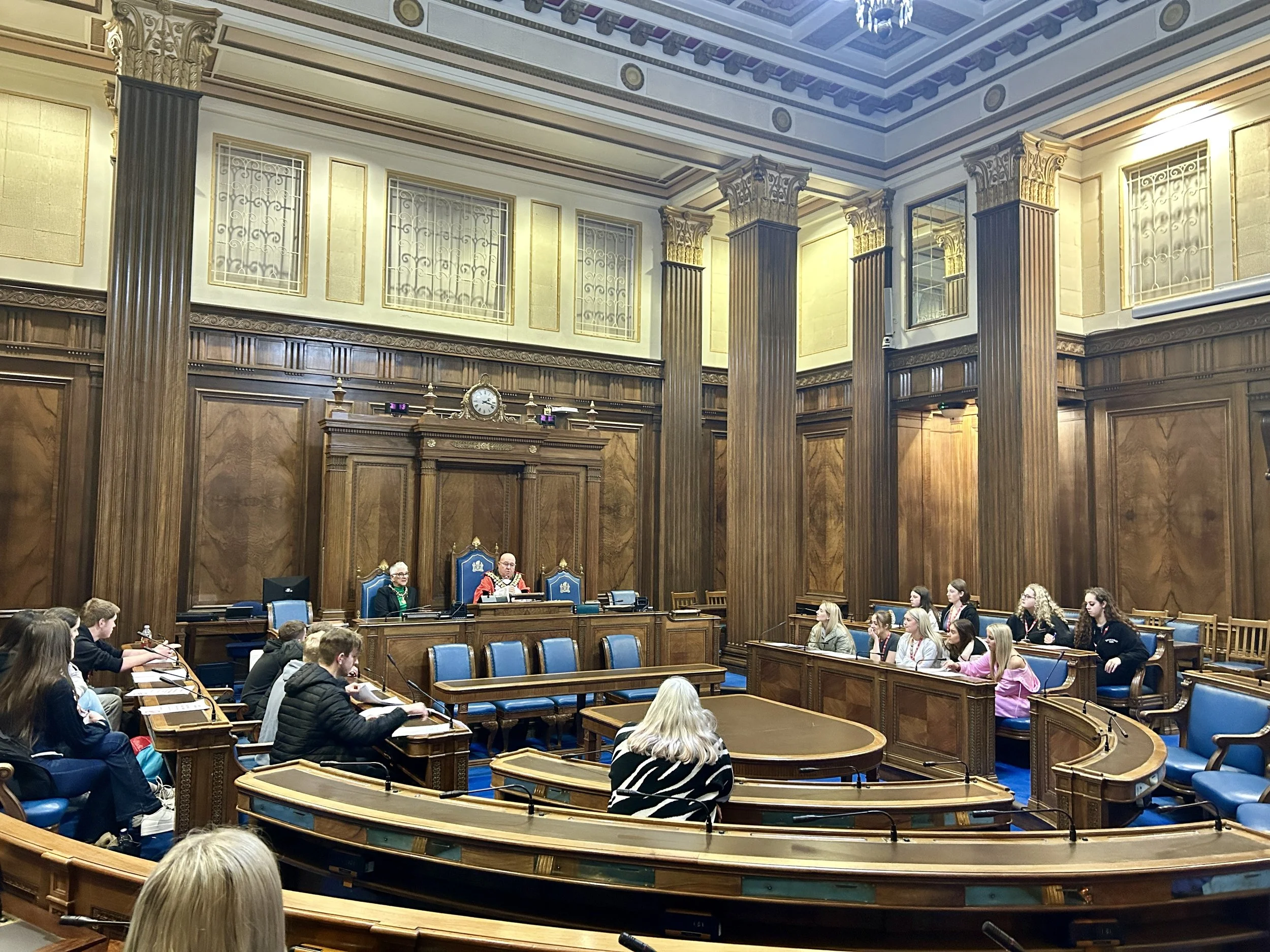
That uncertainty is part of what I ask people to work with in Battle of the Barristers. Plenty of trial events let you hear a case and vote on the verdict, and I can see the appeal. It’s a bit like watching Strictly on a Saturday night. You can have strong views about what you’ve seen and cast a vote, but the couples have already danced.
In a full Battle of the Barristers session, something you notice while reading can change the case your team presents.
You can persuade the people beside you to rethink what they were going to argue, and your reasoning can influence how everyone in the room understands a piece of evidence they’ve already seen.
‘I think’ might be how a contribution begins, but it can only get you so far when someone across the room asks you to show them where it says that. You have to prove what you claim and be honest about what remains an inference. Sometimes the hardest moment is realising that a line of argument you’ve spent half the session building depends on an assumption or scenario the evidence can’t uphold.
That’s the experience I’d be changing if I made Battle of the Barristers a digital event or a quicker experience to get through. When someone tells me afterwards that there was more reading than they expected, I’m interested in what happened once they got into it. There’s a difference between slogging through pages because somebody told you to and going back to a statement of your own accord because you’ve just heard or thought of something that changes your view.
AI can give us a convincing argument in seconds, but this isn’t necessarily a good thing. Email info@evolve3.org.uk to book Battle of the Barristers and see how your group handles the much harder task of building a case from real evidence and defending it in the room.